It's the System, Not the Therapist
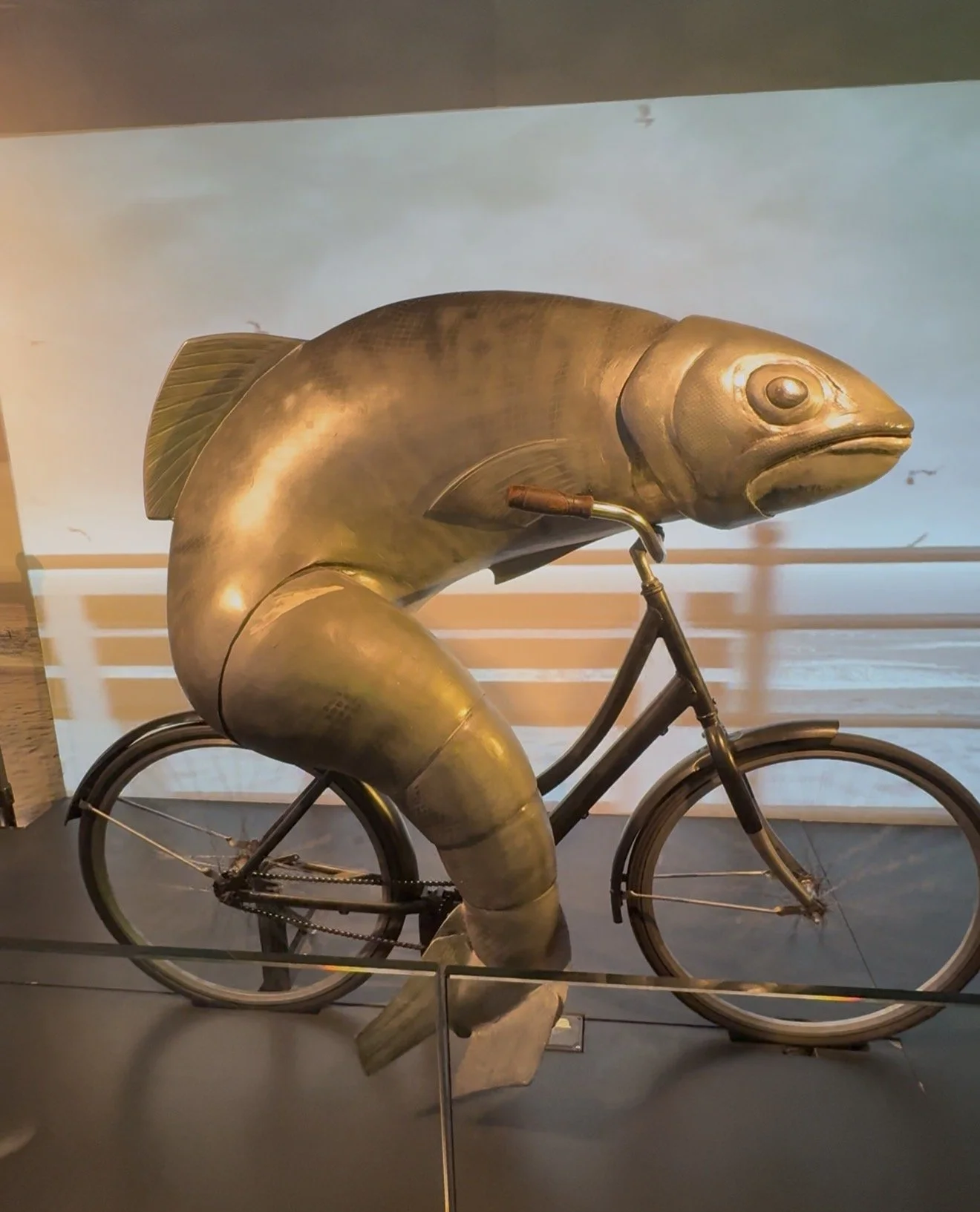
Recently, I was scrolling through old photos on my phone when I came across a picture I had taken in a museum in Ireland. It was a fish riding a bicycle. The image was quirky, a little absurd, and surprisingly thought-provoking. As I looked at it, I found myself thinking about leadership. If a fish struggles to ride a bicycle, we don't assume the fish is lazy. We don't question its commitment. We don't recommend a resilience workshop or suggest that it simply needs to try harder. We immediately recognize that the problem is the fit between the individual and the environment. The fish isn't failing. The bicycle is the wrong system. Yet in many mental health organizations, we often approach challenges from the opposite direction. When clinicians are overwhelmed, we encourage self-care. When documentation becomes burdensome, we suggest time-management strategies. When turnover rises, we offer wellness initiatives. When burnout appears, we encourage people to become more resilient. While all of these interventions have value, they can unintentionally communicate that the problem resides within the individual. But what if the issue isn't the therapist?What if the issue is the system?
We Already Know What People Need
One of the great ironies of working in mental health is that we spend our careers teaching people the very principles that many workplaces fail to implement. We help clients understand the importance of emotional regulation. We teach healthy boundaries. We emphasize the value of supportive relationships. We help people identify stressors and create sustainable patterns for living. We understand the importance of psychological safety, connection, autonomy, and meaning. The research is clear. Human beings function best when these conditions are present.The question is not whether we know what works.The question is whether we are willing to build workplaces around what we already know.
Stop Fixing People and Start Examining Systems
When organizations struggle, it is often tempting to focus on individual performance. It feels more manageable. If we can help people become more efficient, more resilient, or more productive, perhaps the problem will be solved. Sometimes that's true. But many leadership challenges are actually system challenges. Consider a few common examples: High turnover may reflect workload, culture, or lack of support rather than a lack of commitment. Chronic stress may indicate unrealistic expectations rather than poor coping skills. Communication problems may stem from unclear structures rather than difficult employees. Low morale may reflect a disconnect between values and organizational practices. In each case, the question shifts from "What's wrong with the person?" to "What is the system creating?"This perspective is at the heart of trauma-informed leadership. Trauma-informed leaders understand that behaviour does not happen in isolation. People are constantly responding to the environments in which they work. If we want different outcomes, we often need to create different conditions.
A Leadership Question Worth Asking
One of the most powerful questions leaders can ask is: "What if my staff are already doing the best they can with the systems we have created?"That question changes everything. It moves us away from blame and toward curiosity. It encourages us to examine policies, workflows, communication patterns, expectations, and organizational culture. It reminds us that leadership is not simply about motivating people. It is about creating environments where people can thrive.
The Fish Was Never the Problem
The fish-on-a-bicycle image has stayed with me because it offers a simple reminder. Not every struggle is a motivation problem. Not every challenge is a resilience problem. Not every performance issue begins with the individual. Sometimes, capable, caring, dedicated professionals are simply trying to function within systems that were never designed to support them. As leaders, our responsibility is not to make fish better at riding bicycles. Our responsibility is to create environments where fish can swim. That is where sustainable leadership begins. And that is where organizations—and the people within them—have the greatest opportunity to thrive.
Interested in learning more about trauma-informed leadership and creating healthier workplaces? Explore my book, Leading Without Losing Yourself: The E.A.S.E. Approach to Transforming Your Workplace, or connect with me for leadership coaching, consulting, or speaking engagements at lisaduez.com